

You are hunched over with the pain, canceling plans for the third time this month because your gut is mounting a revolution. Sound familiar? For the 10-15% of Americans fighting IBS flare-ups.
If we’re honest, the last thing you want is your intestines warring against you, is it? This guide will explain precisely what you need to eat, what you should stay clear of, and ways in which you can manage IBS flare-ups when they hit the hardest.
When it comes to managing irritable bowel syndrome, it’s not just about avoiding trigger foods — it’s about developing a strategy that works with your individual symptoms and lifestyle.
But I’m going to tell you what most doctors don’t share about soothing an angry gut…
Table of Contents
Introduction: Understanding the Flare-Up Storm

A. Empathetic opening
That gut-wrenching pain sneaks up on you. One minute, you’re laughing your way through Saturday-brunch mimosas; the next, you’re frantically scanning the horizon for the nearest toilet. IBS flare-ups have a nasty habit of breaking down your door without notice. The bloating, which makes your favorite jeans button a pipe dream. The cramps that have you curled up in bed. The inevitable sudden onset of bathroom need that means you have a map of every toilet to hand everywhere you go. And I totally know what you’re going through and you are not alone in your fight!
B. What is a flare-up in a nutshell
An IBS flare-up is when your symptoms suddenly get more intense than they are on a day-to-day basis, like you might just have mild digestive discomfort on an average day, but during a flare-up it’s more like whoooooa. Your gut basically has a hissy fit — diarrhea, constipation (or a great mix of both), belly-cramping, gas, bloating, the works. These attacks may continue for hours, days, or in some cases weeks. Your regular intestinal hypersensitivity is set on overdrive, reacting more strongly than it should to stimuli that might not normally elicit such strong responses.
C. Why its Management is Important
A good plan to manage flare ups is not just useful – it is completely essential in order to regain control of your life. The right foods can be your first line of defense; the wrong ones can end up making it take even longer to get to the end of the tunnel. Beyone diet, stress-management techniques and medications can make the difference between a flare-up that ruins your entire week and one that you can power through. Your IBS does not need to hijack your social calendar, your work life, or your general health. With solid survival strategies, you can weather these tempests and snap back in less and less time with every bout.
What Is an IBS Flare-Up?
A. Definition
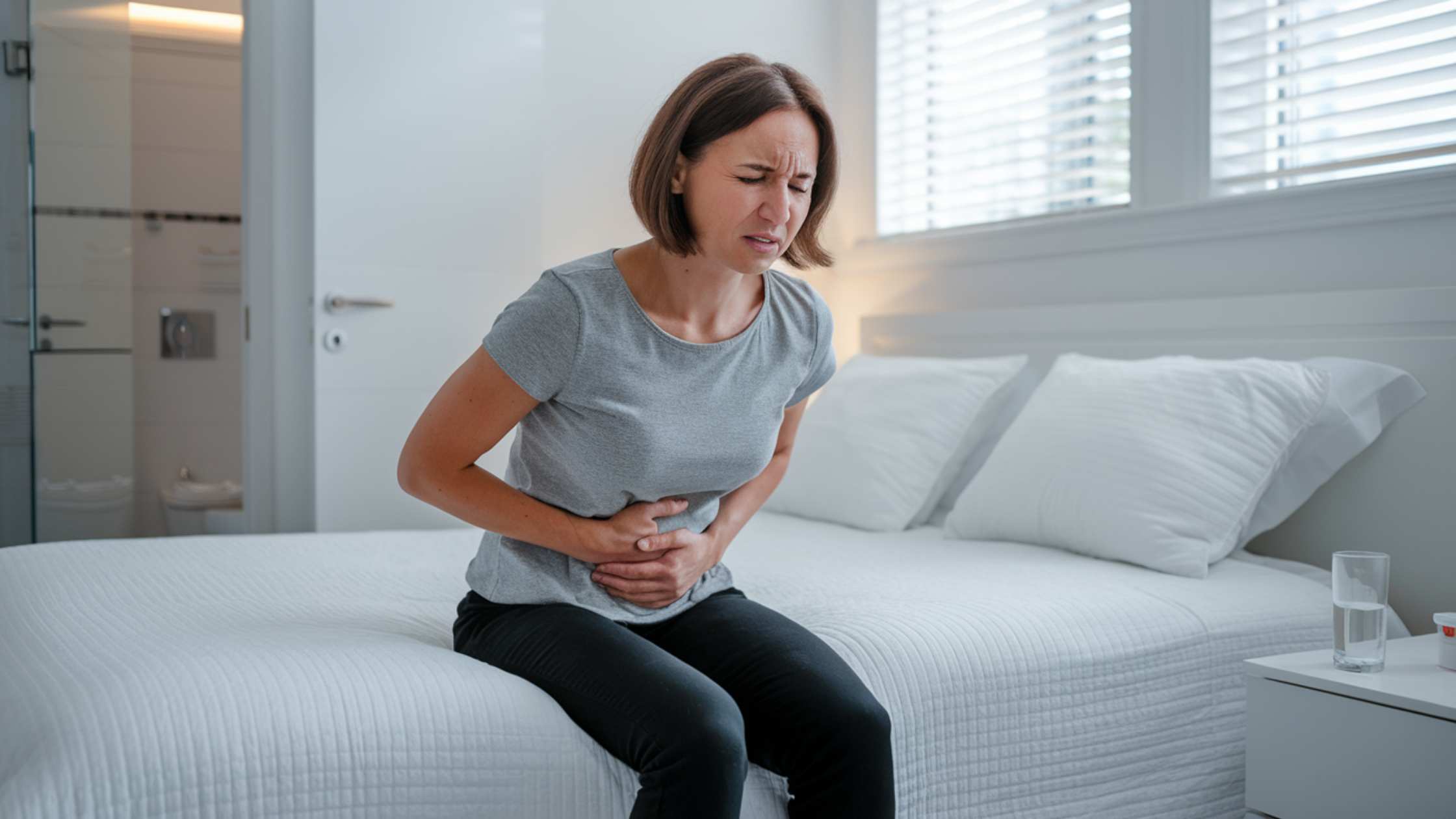
The time of an IBS flare-up is basically your digestive system having a hissy fit. That might be the additional pain you feel when your typical day-to-day irritable bowel syndrome symptoms all of a sudden become a lot more severe. Think of it as your gut having a tantrum — everything seems more painful, more urgent and more likely to disrupt your life than it normally would. Your usual management strategies may not work in the heat of a flare-up, and you’ll require a little extra care to power through this tough time.
B. Common symptoms
- Acute abdominal pain or cramping when it’s that time of the month and you need to double over in pain
- Rushed, repeated urination accommodations
- Diarrhoea, or constipation, or sometimes a combination of the two
- Bloating — you know, when it feels like your pants are suddenly two size too small
- Too much gas that is almost beyond a person’s management
- Mucus in your stool
- Sense of incomplete evacuation of your bowels
- Nausea or reduced appetite
- Weariness in coping with the symptoms in your body
- Brain fog, making it hard to think clearly
C. Triggers
Your IBS flare-ups don’t occur for no reason — they’re generally related to certain triggers. Big work presentation (or impending family fight) got your gut in a funk? Stress is one of the biggest bad boys. Food triggers differ from one individual to another, but some of the most common include dairy, wheat, high-FODMAP foods, as well as caffeine, alcohol, and fatty or spicy dishes. Most of the time, women can predict those flares like clockwork based on their menstrual cycle and the hormonal changes that come with it. Other potential triggers are a disrupted sleep schedule, certain medications, eating too fast or even changes in your schedule such as travel. The very first defense against future flare-ups is knowing what your personal triggers are.
IBS Flare-Up Timeline
How long does it typically last?
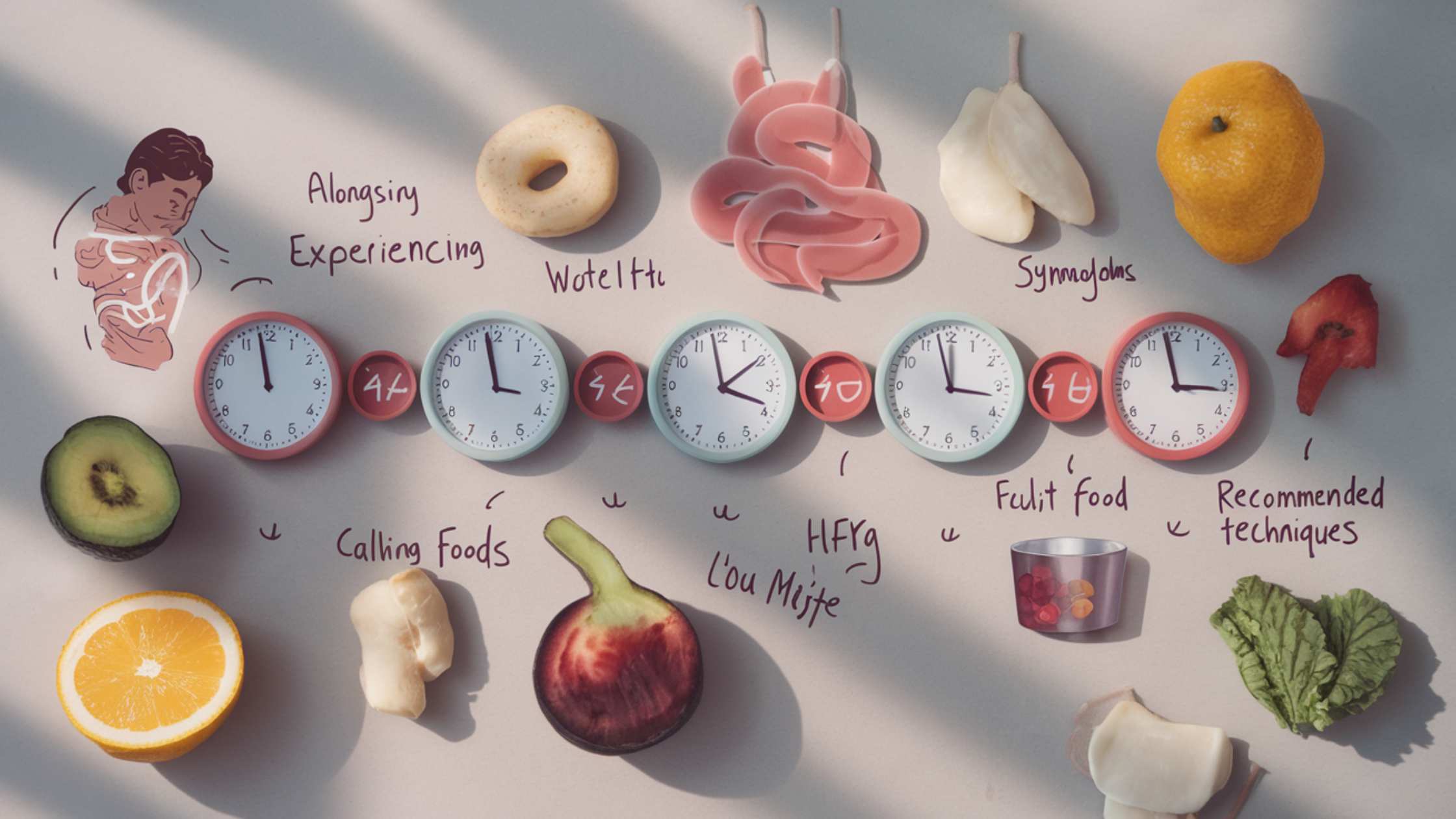
When you’re in the thick of an IBS flare-up, it can seem like it will never end. The fact of the matter is the vast majority of flare-ups do not last very long, usually averaging 2-4 days, while for others, symptoms may crop up anywhere from a few hours to several weeks. Your internal timeline is based on:
- Your flare-up’s precipitator
- Your stress levels
- How soon management measures are instituted
Your unique body chemistry
Roughly 40 percent of individuals see their symptoms go away within 24 hours when they proactively address the issue, such as removing trigger foods and engaging in stress-reducing practices.
Progress of a flare-up – start → maximum → end
Onset Stage (First 6-12 hours)
You start to feel those initial warnings — maybe some bloating, mild cramping, a familiar rumbling in the gut. Now is your time! Act now and it could radically reduce the duration of your flare-ups.
Peak Stage (12-48 hours)
That’s when the symptoms are often at their worst. You could be doubled over with severe abdominal pain or experience frequent urgent bathroom trips and substantial bloating. Your body is in hyper-reaction mode and you probably won’t be straying far from home.
Recovery Stage (1-3 days)
You will see your symptoms slowly begin to let up. Your digestive system starts to calm, your pain eases and bowel movements become more regulated. At this point you can begin slowly incorporating foods that were previously not on your “safe” list… just do so carefully and with patience.
Then again, remember that all flare-ups have their own timeline. Keeping track of your symptoms can help you identify your own pattern and manage more effectively.
What to Do During a Flare-Up (First 24–72 Hours)

A. Rest and hydration
When the fury of an IBS flare-up strikes, your main focus should be giving your body what it wants most: rest and fluids. Your digestive system is up in arms, so moving with caution is key for the first 24 to 72 hours.
Try to drink 8-10 glasses of water per day during a flare. Dehydration can exacerbate IBS symptoms, particularly if you’re having diarrhea. Cold to cool water is for your stomach more gentle than ice cold. If drinking water plain feels boring, “you can infuse it with a slice of lemon or cucumber (not citrus if that’s a trigger for you!),” she suggests.
Here, herbal teas can be your best friends. Cramping? Try some peppermint tea. Nausea? Have a ginger tea. (Note: Just steer clear of caffeine at all costs — it’s a gut irritant and can exacerbate your symptoms.)
And by rest, I don’t mean only physical rest. And give your gut a rest as well, eating smaller, more frequent meals of easily digestible foods. You want things that aren’t going to tax your system, your plain rice, your bananas, your toast, nice bland things.
B. Safe activities
During an IBS flare, you may feel unable to do much at all, but a few gentle activities may actually help soothe away your symptoms.
Do a little bit of light walking around your house or your neighborhood, which can help promote healthy gut contractions without overloading your system. The operative word here is light – no need for your regular workout.
Some light stretching or restorative yoga postures can help reduce abdominal tension. Child’s pose, knees-to-chest, and gentle spinal twists can help with controlling gas and bloating. Always use your body as a guide and discontinue if something feels out of place.
Warmth is also a safe choice at the time of a flare. Intermittent heat applied to the abdomen, not too hot, can help relax intestinal muscles and relieve discomfort and cramping. Only apply for 15-20 minutes at a time to avoid skin irritation.
C. Managing stress
Your brain and your gut are always talking to each other, which is why managing stress is so important when it comes to an IBS flare. Your symptoms tend to make things worse when you’re anxious, and the feedback loop can be supremely frustrating.
Deep breathes can break this cycle. Attempt breathing in through your nose slowly for a count of four, holding for a second, and then exhaling through your mouth for a count of six. Do every minute for about 5 to 10 minutes each time your pain or anxiety spikes up.
Meditation apps can walk you through one- or two-minute mini sessions designed to bring body awareness and relaxation. Even a mere 5-10 minutes can reduce your stress hormones and soothe your nervous system.
Distraction strategies also work well. If you have a favorite podcast you like to listen to, comfort show you need to watch, or an audiobook that can take your mind off your symptoms, this can help to make the time pass more comfortably and distract you from the flare until it starts to become less intense.
What to Eat During a Flare-Up
Flare-Up Friendly Foods
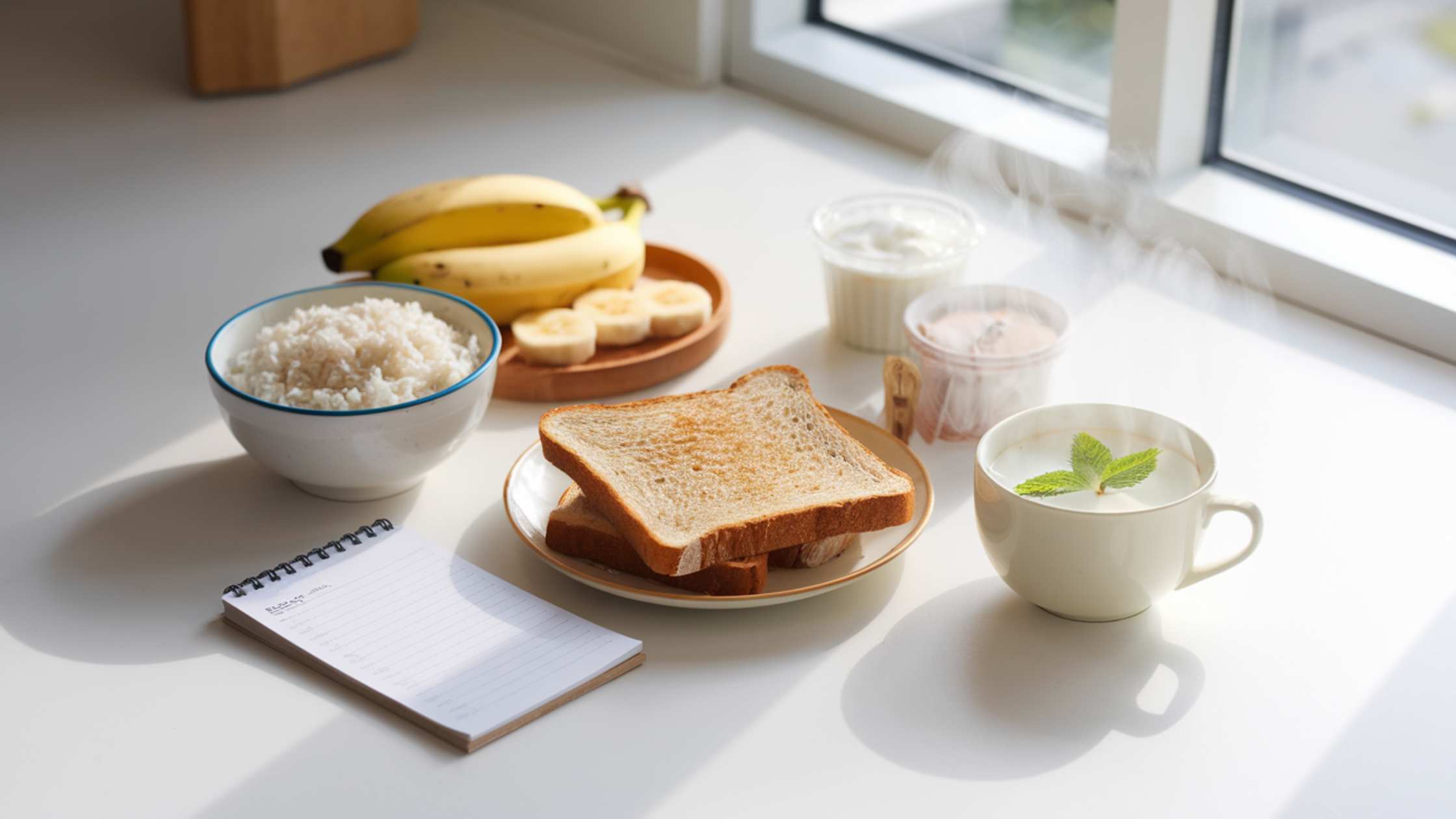
When your IBS is acting up, what you eat can make all the difference. Instead, go for these gentle choices, which aren’t too hard on your already-temperamental digestive system:
- Plain white rice – The king of tasteless but comforting carbs
- Eggs (scrambled or hard boiled) – Simple protein that is often well tolerated
- Smooth nut butters (in moderation) – A tablespoon of peanut or almond butter is worth a try
- Bone broth - hydrating, nourishing, gentle on the gut
- Ripe, skinned carrots – Fiber Without the Fuss
- Banana (ripe) – Nature’s natural stomach calmer
- Barbecue chicken (sans sauce) – Pass on the sauce during flares
- White bread / toast – Sometimes the simple things in life are the best
- Kubrick applesauce – Less stress for the stomach than whole apples
- Cook Oatmeal plain - A good meal to soothe the stomach
Check out our gut-friendly recipes here →
Simple 1-Day Sample Plan
Morning is tough during a flare-up, so keep it basic:
Breakfast: Plain oatmeal with a small drizzle of maple syrup and half a ripe banana
Mid-morning: Bone broth in a mug
Lunch: White toast with scrambled eggs (no butter or milk)
Snack: Small portion of smooth applesauce
Dinner: Plain white rice with boiled chicken and well-cooked carrots
Evening: Peppermint tea (caffeine-free)
What to Eat During an IBS Flare-Up
When you’re in the middle of an IBS attack, your main concern far from fixing things, is to minimize the damage. Your gut needs its rest, so think “bland and boring,” not “exciting and flavorful.”
For those who are just feeling yucky: Start with liquids — bone broth, peppermint tea, water. As you get better, add minimal soft foods from the above list.
Portion size matters too! Since your digestive system is already upset, smaller, more frequent meals are kinder to it than three large ones. Treat eating as you would a sprained ankle — with tender loving care and as little pressure as possible.
Journal what you eat during this recovery period. You may see patterns that can help you prevent future flares. Keep in mind, your safe foods may be different from someone else’s, so listen to your individual digestive reactions.
What to Avoid During a Flare-Up
A. High FODMAP foods
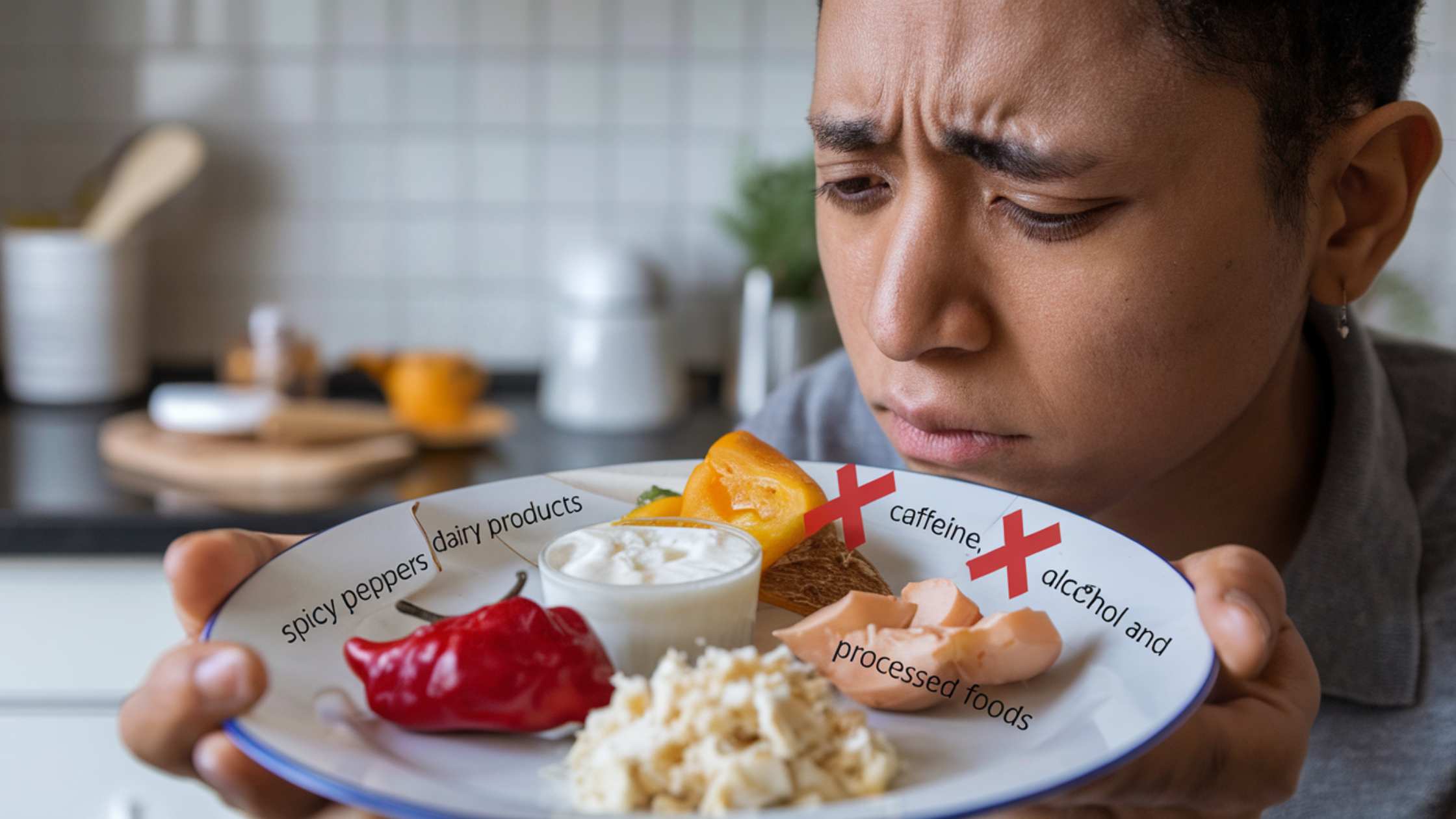
What you don’t eat during an IBS flare-up can be just as important as what you do eat. High FODMAP foods are well known culprits and can exacerbate your symptoms a great deal. These include:
- Fruits: Apples, pears, mangoes, watermelon, and cherries
- Vegetables: Onions, garlic, mushrooms, cauliflower, and artichokes
- Grains: Wheat, rye, and barley-based products
- Legumes: Chickpeas, lentils, and kidney beans
- Sweeteners: Honey, high-fructose corn syrup, and artificial sweeteners
Your body has a hard time digesting these fermentable carbs in a healthy way—cue the gas, bloating and painful cramps you’ll do just about anything to avoid. If you’re already dealing with a flare-up, those foods can take a bad day and make it a nightmare.
B. Caffeine, alcohol, and dairy
The morning coffee may feel like a necessity, but for someone suffering with IBS, it is your nemesis. Your digestive system gets caffeinated when you want it to relax. Alcohol also irritates your gut lining and can cause diarrhea.
Many people with IBS have a hard time digesting lactose, found commonly in dairy products. So even if you’re typically fine with a little bit of dairy, your sensitive gut might react poorly to it:
- Milk
- Ice cream
- Soft cheeses
- Cream-based sauces
- Whipped cream
C. Some exercises or supplements
Exercise is a good thing for IBS in general, but gut-jiggling high-intensity exercise may upset your already irritated intestines. What not to do Other nots during a flare:
- Running
- Jump training
- Heavy weightlifting
- High-intensity interval training
As for supplements, some can make your symptoms worse. Be cautious with:
- Magnesium supplements (can cause diarrhea)
- Iron supplements (often constipating)
- Vitamin C in high doses (can trigger diarrhea)
- Certain probiotics with high FODMAP ingredients
- Digestive enzymes with ingredients you’re sensitive to
Your body needs gentle care during a flare-up, not additional stress from these activities or supplements.
Mental Health Support

Gut-brain connection
Your gut is in a constant-somewhat synchronous, somewhat one-way-conversation with your brain, which is why someone with IBS knows all too well how stress and anxiety can cause or exacerbate an IBS flare-up. This two-way street (known as the gut-brain axis) also means that what affects your mind affects — yes! — your gut. This link can be agonizingly clear in IBS attacks.
Your gut reacts when you’re anxious. In doing so, your body releases stress hormones that can spike or slow your digestion, causing your IBS symptoms to ramp up. This is not all in your head — it’s physical reactions occurring in your body.
Knowing this relationship can help you address crises of IBS from either end. When you take care of your mental health, you’re taking care of your gut health, too. That’s why mental health support isn’t just a positive addition to managing IBS — it’s a must.
How to keep Calm: breathing, mild yoga, journaling
When an IBS flare strikes, these strategies can help cut the anxiety-pain cycle:
Diaphragmatic breathing: Consider 4-7-8 breathing. Inhale for a count of 4, hold for 7, exhale for 8. A mere 5 minutes may be able to quiet down your nervous system and potentially even soothe your gut symptoms.
Gentle yoga positions: Child’s pose, cat-cow stretches, and gentle twists can help ease tension without making your symptoms worse. Ten minutes during a flare-up can even bring a little relief.
Journaling: Get a notebook when you have your next flare up and record:
- What you ate recently
- Your stress levels before symptoms started
- Which coping strategies helped most
This creates a personal IBS survival guide that works specifically for you.
When to See a Doctor

Red flag symptoms
IBS is not necessarily a comfortable condition, but it isn’t dangerous — though a few symptoms can prompt you to visit your doctor. Do not discount these red flags:
- Unintentional weight loss when not dieting
- Blood in the stool (bright red or black/tarry)
- Excruciating, unrelenting pain that doesn’t get better even after a bowel movement
- Symptoms that awaken you at night
- Fever with your digestive complaint
- Persistent vomiting
- Aged 50 or over with new symptoms
These could be signs of something more serious than IBS, including inflammatory bowel disease, celiac disease or even colorectal cancer. Trust your gut—literally. “If something doesn’t feel right, it probably does require medical attention.”
How to monitor symptoms for your doctor
Your doctor will need some details in order to help you correctly, so track these before you have your appointment:
- Keep a food and symptom diary: Track what you eat, when your symptoms arise, and rate how severe they are on a 1-10 scale.
- Notice the pattern: Is your IBS flare-up worse in the morning? After meals? During stressful periods?
- Snap pictures: It might be a little disgusting, but pictures of your stool can be used as valuable diagnostic information.
- Track frequency: Track how often you’re pooping and what it looks like — for example, by using the Bristol Stool Chart.
- List medications: List all prescriptions, supplements and over-the-counter remedies you’ve tried.
A smartphone app can help make tracking easier — several free IBS tracker apps are available. To your doctor, sharing this info gives him or her the whole picture and allows his or her to develop a treatment plan.
Download Your Flare-Up Survival Kit
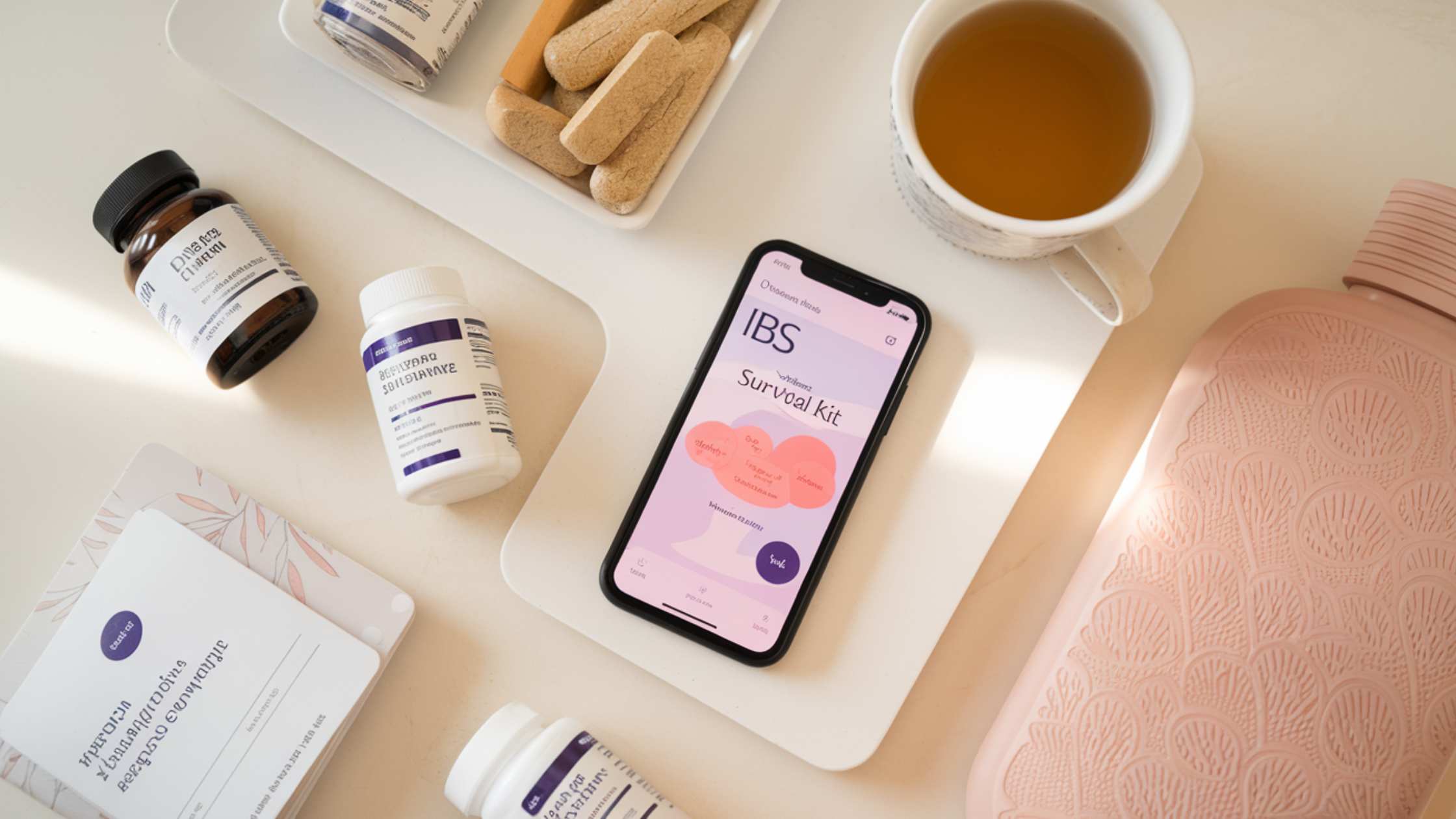
Ready to know how to deal with confidence with your next IBS flare-up? To help you out, we’ve developed a downloadable survival kit with all information in one handy location.
What’s Inside Your IBS Flare-Up Survival Kit
Your free downloadable kit includes:
- Emergency Food List: Quick reference of safe foods during a flare-up
- Symptom Tracker: Monitor your flare-up duration and identify triggers
- Meal Plan Templates: Simple, gut-friendly meals when cooking feels impossible
- Medication Reminder Cards: Keep track of what helps and when to take it
- Stress-Relief Techniques: Quick exercises you can do anywhere to reduce flare-up severity
How to Use Your Kit
Keep a copy of this kit on your phone or print out a hard copy for your emergency drawer. Once you feel those first warning signs of a flare-up, you’ll never have to think twice — simply grab and open your kit, and follow first-aid steps.
The symptom tracker is especially useful. But after a few flare-ups, you may notice patterns that will help you forestall new ones. Those who engage in these management strategies generally find their flare-ups last 2-4 days.
Download Now
It’s simple to have your IBS Flare-Up Survival Kit. Click the link below to get the complete guide downloaded instantly – no registration required! Save it to your phone or print it out to ensure that you’re always prepared to act when a flare-up comes your way.
Reliance on painkillers doesn’t have to be your life. Your next flare-up doesn’t have to be a derailer. Be ready, relax and recover with real tools that work!
Helpful Resources
Helpful Resources to Support You During an IBS Flare-Up
Here are some reliable external sources of science-based information to assist you in coping with your IBS symptoms:
- Monash University FODMAP Diet App – The gold standard for low FODMAP food information
- International Foundation for Gastrointestinal Disorders – Comprehensive IBS information and support
- FODMAP Friendly – Certified low FODMAP food products
- IBS Network – UK-based charity offering support forums and resources
- Rome Foundation – Medical criteria for IBS diagnosis and management
- GI Society – Plain-language information about digestive disorders
That these are available at your disposal assures you that you’re never alone during an IBS flare-up. A simple bookmark could save you hours of misery and frustration.
FAQs
What if I have a flare-up at work?
You’re also not exactly in the best place when hey, IBS comes crashing down against your desk. First, if you’re able to, make yourself an emergency kit in a desk drawer with peppermint tea bags, a heating pad that plugs into USB, and any over-the-counter medications your doctor has told you are safe to take. If you can, locate a private bathroom — everyone likes an audience but not while you’re doing that.
Always speak up if you need to take a break. You don’t have to disclose every detail; saying “I need fifteen minutes for a health matter” will suffice. If you’re symptoms are particularly bad, perhaps you should consider working from home for the rest of the day, if your job permits that.
Remember to breathe through the discomfort — give the 4-7-8 method (inhale for four, hold for seven, exhale for eight) a try to help relax those gut muscles, suggests Axelrod. Drink room temperature water to stay hydrated, eat simple foods if you can (plain crackers or a banana).
Am I supposed to fast during a flare-up?
Despite the hype, fasting during an IBS flare-up isn’t a one-size-fits-all remedy. GIVING THE GUT A LITTLE BREAK For some folks just giving the digestive system a small(@4-6 hour) break can help calm things down. For others, fasting can lead to flare-ups and acid reflux.
So to food or not to food? Let’s talk about it. Instead of full fasting, consider “gut rest” via a small, easily-digestible meal every few hours. Simple broths, rice or bananas can be more nourishing without stressing your system.
For the most part, gastroenterologists do not recommend fasting during flare-ups, but instead suggest that patients avoid large meals and eat small portions to keep up energy and nutrient levels. If you do experiment with fasting, listen to your body and keep well-hydrated.
Can probiotics be used during a flare?
Probiotics are a mixed bag in IBS flares. Though good for the gut in the long run, adding more bacteria when the system is already inflamed could cause a temporary increase in gas and bloating for some people.
If you’re already taking probiotics on a regular basis, as so many people are, there’s no need to stop, so long as your typical dose is in line with what you normally take. But introducing a new probiotic during an active flare might simply pour gasoline on the flames.
The best approach? Collaborate with your healthcare provider to find strains that have been specifically studied for IBS (such as Bifidobacterium infantis 35624 or Lactobacillus plantarum 299v). Think about waiting until your symptoms are stable before adding a new probiotic, and even then, start with half the serving and gradually build up.
Conclusion
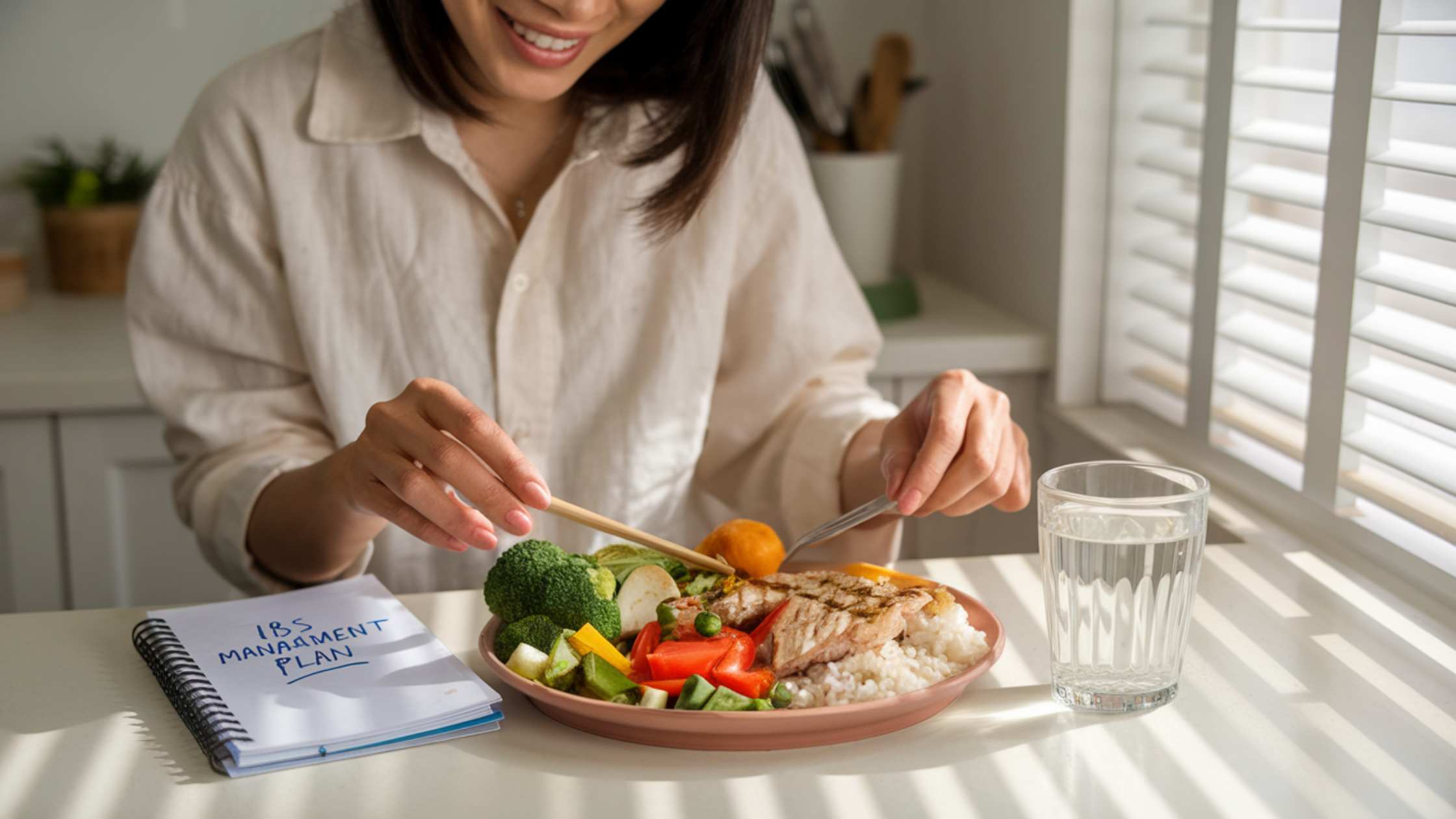
IBS flare-ups can be pretty overwhelming but by following this process you can minimise the severity and duration. But be sure to prioritize gentle, soluble fiber foods during flare-ups and avoid potential irritants like caffeine, fatty foods, and alcohol. Your mental health is every bit as important as your physical symptoms- practice stress management and seek professional support as required.
You don’t have to deal with IBS alone. Grab our Flare-Up Survival Kit with cheat sheets and trackers to handle future flares. And remember to see your doctor if your symptoms are bad, persistent or associated with any warning signs. With these tactics and tools in hand, you are able to further protect yourself from IBS flare ups and preserve your quality of life in the face of this trying condition.